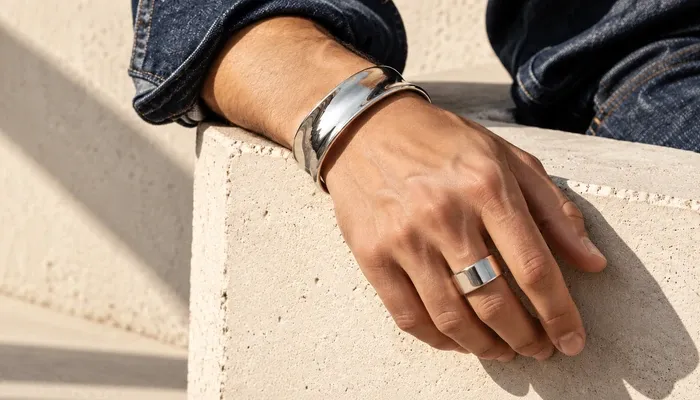
925 Sterling Silver
Material, Character & Care
925 Sterling Silver
Material, Character & Care
925 Sterling Silver: Meaning, Properties & Care
925 sterling silver contains 92.5% pure silver and 7.5% other metals, usually copper. This alloy combines silver’s characteristic lustre with greater hardness than pure silver and is used to make rings, pendants, necklaces and earrings.
You may have noticed the number 925 on a ring or a necklace clasp. Here, we explain what it means, why silver can darken and how to care for your jewellery according to its finish.
What does 925 mean on silver?
The number indicates the silver’s fineness: out of 1,000 parts by weight, 925 are silver. The remaining 75 parts consist of other metals.
Pure silver is relatively soft. Alloying it produces a material better suited to many types of jewellery. Sterling silver can still scratch or bend under pressure, however. A piece’s durability also depends on its shape, thickness and construction.
925 silver and sterling silver refer to the same silver content: 92.5%.
Is 925 sterling silver real silver?
Yes. Sterling silver is a genuine silver alloy. The important distinction is between jewellery made from 925 sterling silver and silver-plated jewellery.
| Description | What it means |
|---|---|
| 925 sterling silver | The material described is an alloy containing 92.5% silver. |
| Silver-plated | A layer of silver covers a different base material. |
| Silver-coloured | This describes the colour alone and does not establish the silver content. |
| Rhodium-plated sterling silver | The silver alloy has an additional surface coating of rhodium. |
A silver-coloured shine does not tell you what a piece is made from. Check the material description and any additional information about coatings.
Why does sterling silver tarnish?
Silver reacts with sulphur-containing substances in its surroundings. This can produce a surface layer that initially appears yellowish or brown and may become darker over time.
Tarnishing alone does not mean that silver is poor quality. It is a known characteristic of the material. How quickly the surface changes depends on factors including storage, environmental conditions and contact with different substances.
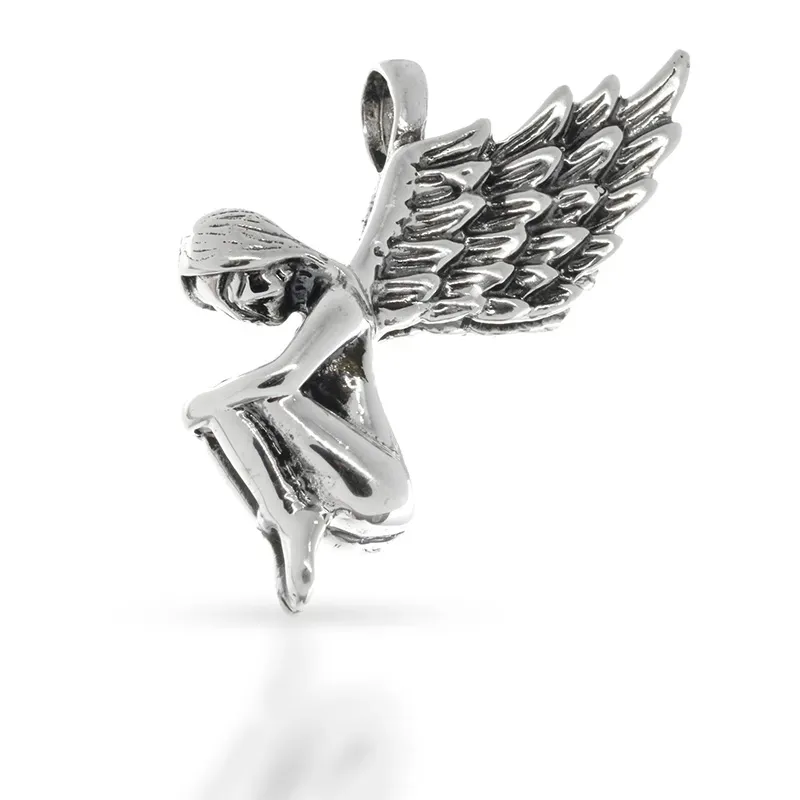
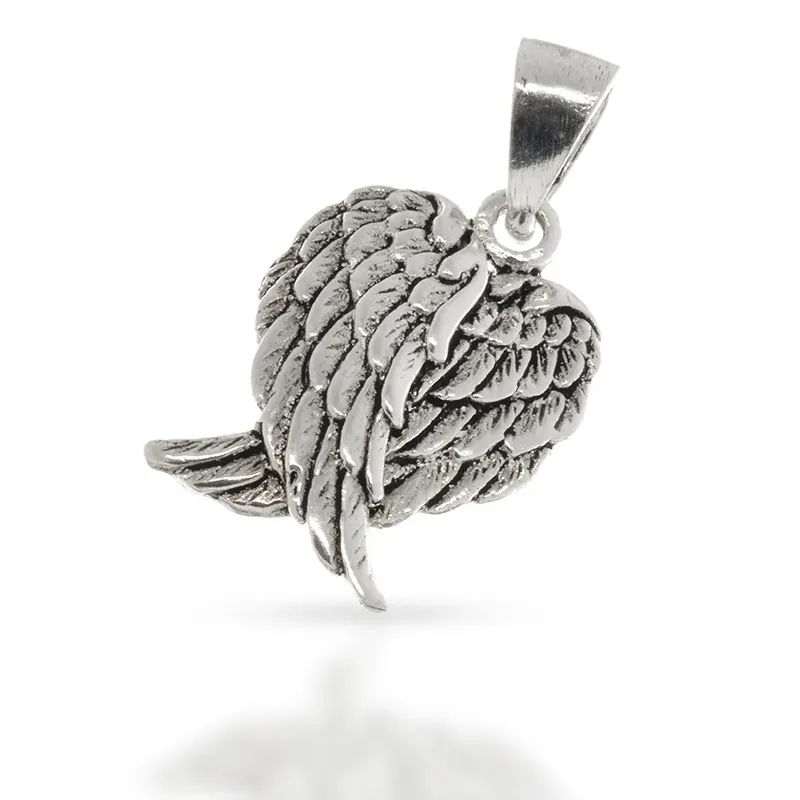
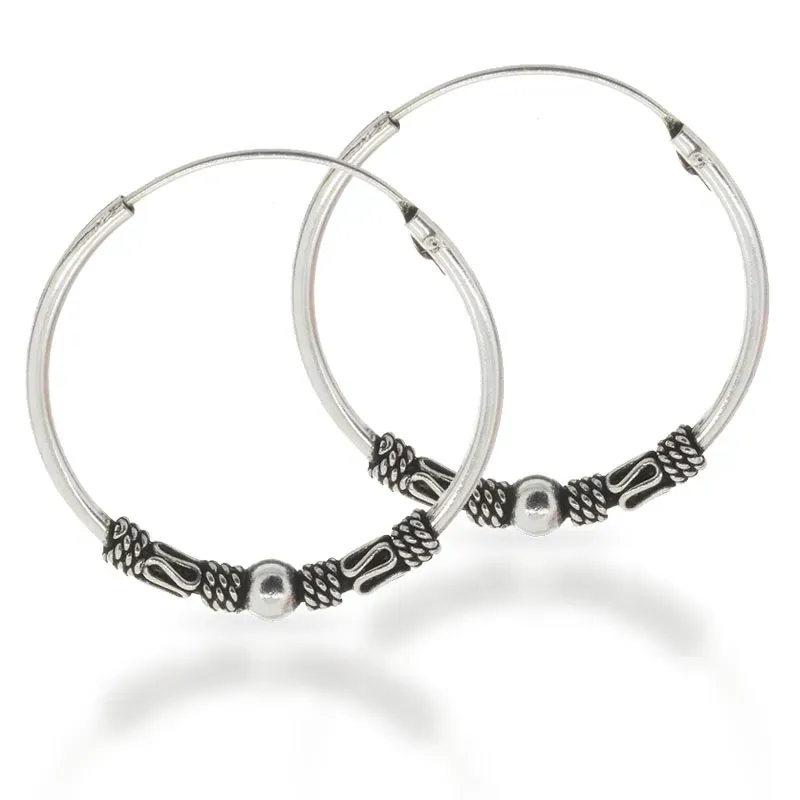
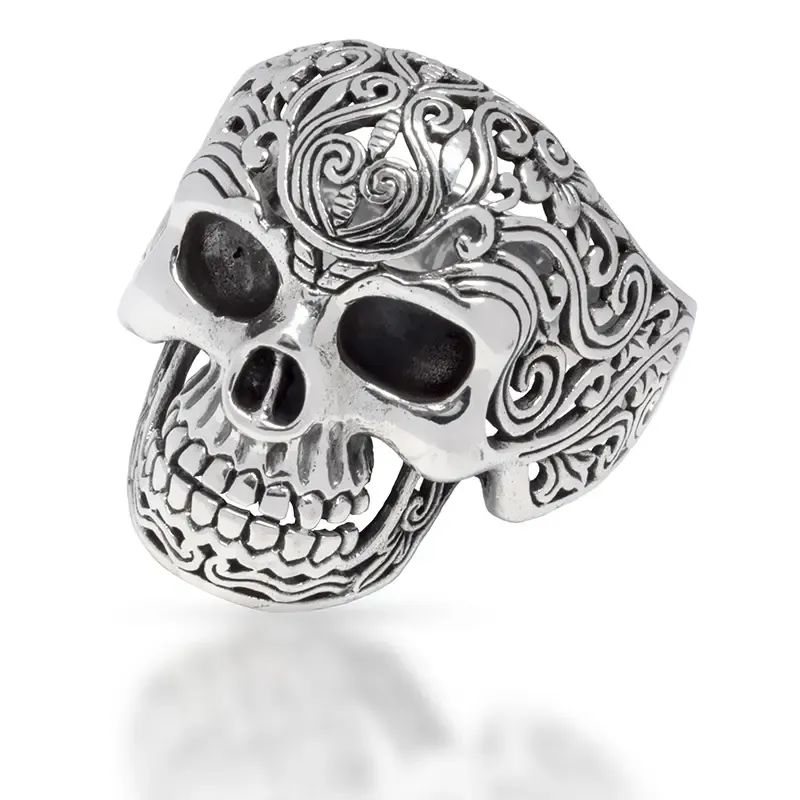
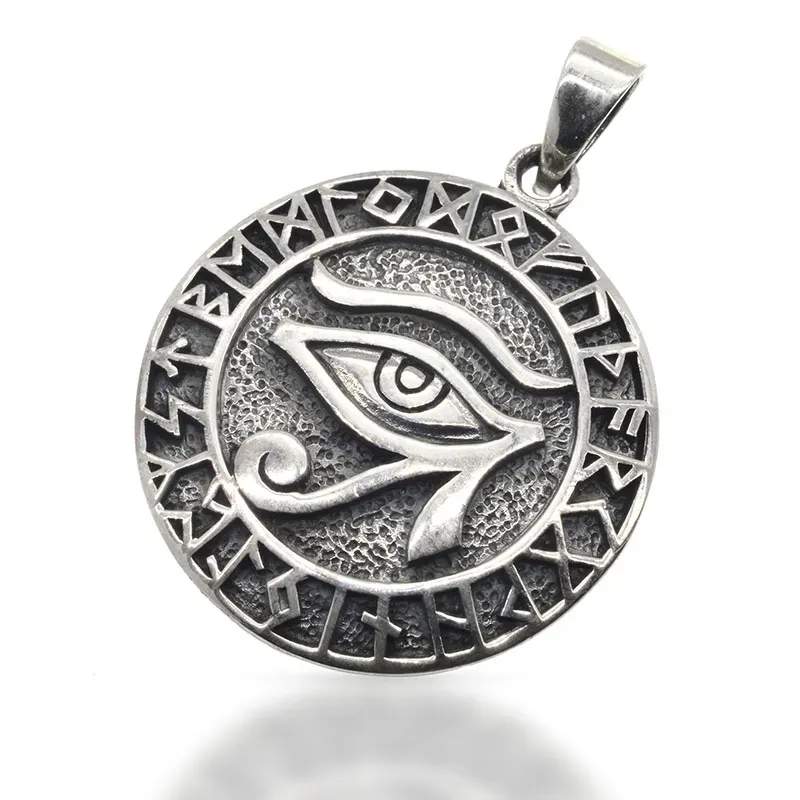
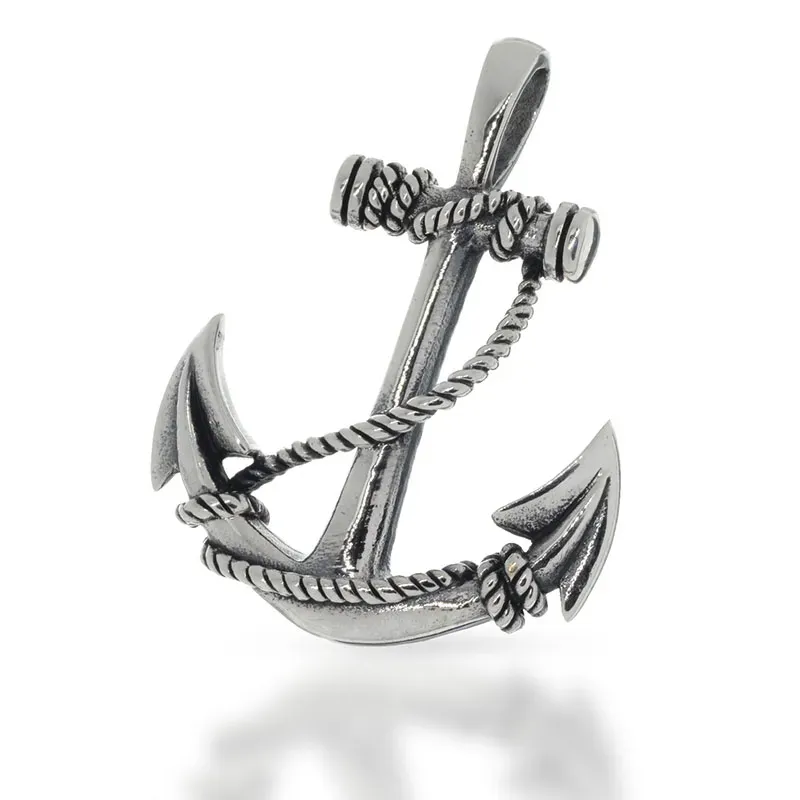
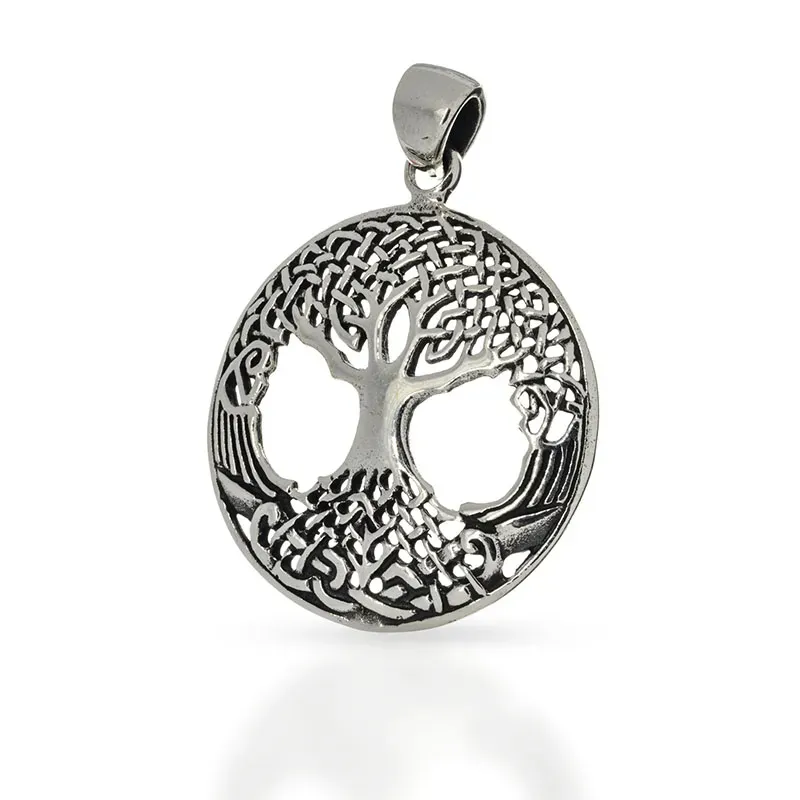
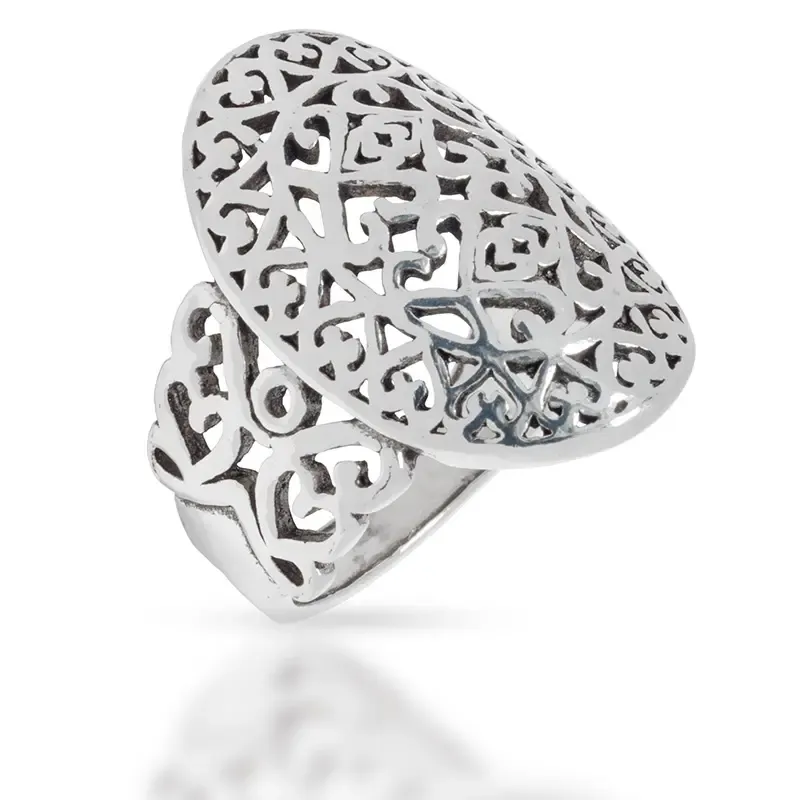
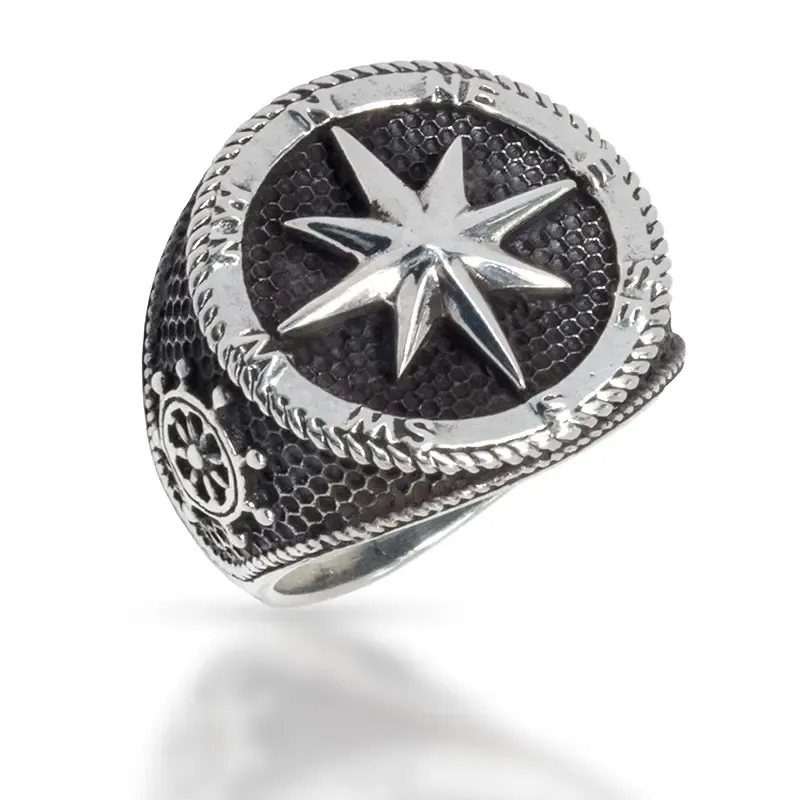
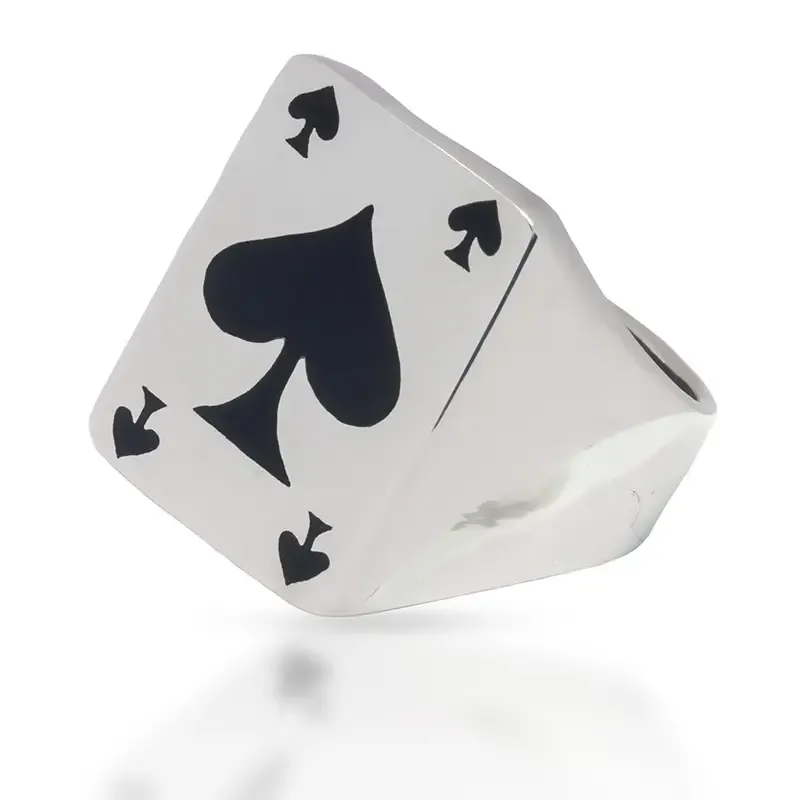
On ornamental jewellery, darkened recesses may also be an intentional part of the design. They emphasise patterns and relief details. Before removing them, check whether they are meant to be there.
How do you clean sterling silver jewellery?
Consider the whole piece. A plain silver ring may need different care from a gold-plated pendant, an intentionally darkened design or a ring set with a delicate stone.
Everyday care
Gently wipe your jewellery with a soft, clean cloth. Avoid excessive pressure and follow the care instructions for the individual piece.
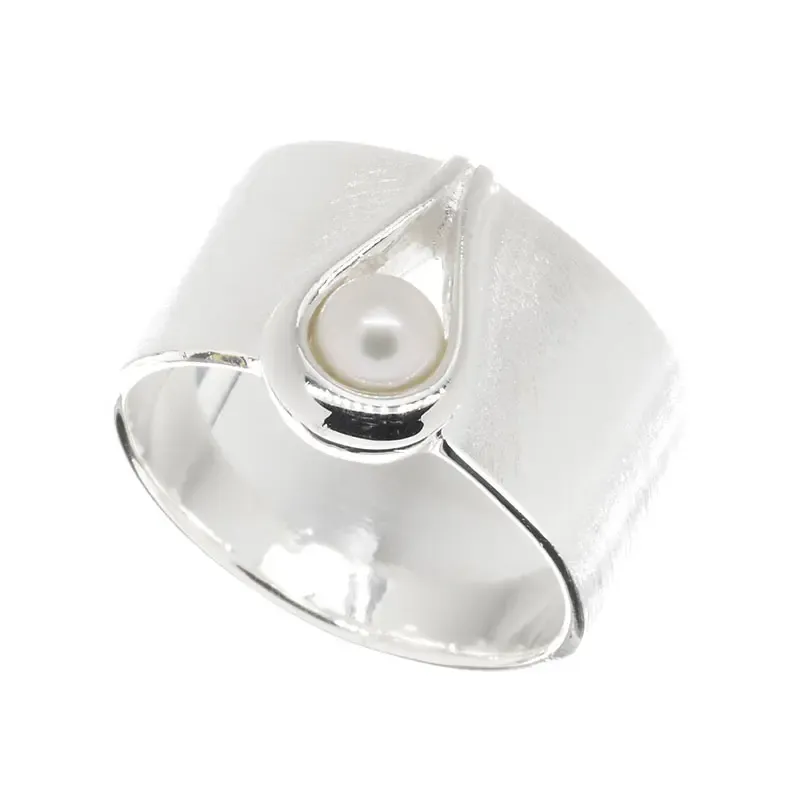
Before using water or a cleaning solution on jewellery with stones, pearls, glued components or coatings, check which methods are suitable. Ultrasonic cleaning is not appropriate for every piece either.
Removing tarnish
A polishing cloth designed for silver can help on suitable, uncoated surfaces. Follow the cloth manufacturer’s instructions. Take care around intentionally darkened recesses and delicate finishes.
Silver dips and household remedies are not suitable for every piece. If you are unsure about your jewellery’s materials or construction, ask for advice before cleaning it.
Can you shower or swim with sterling silver jewellery?
For gentler treatment, remove your jewellery beforehand. Showering exposes it to soap, shampoo and other personal care products. Swimming pools introduce additional substances, including chlorine.
How well a piece tolerates these conditions also depends on its stones, coatings and construction. The description “925 sterling silver” is therefore not a blanket assurance that the entire piece is waterproof.
What is rhodium-plated sterling silver?
Rhodium-plated silver has a thin coating of rhodium. This changes the surface and can reduce tarnishing. The underlying material remains the stated silver alloy.
A coating can wear over time through use. When cleaning plated jewellery, follow the instructions for its particular finish.
Gold-plated sterling silver also has an additional surface layer. Its care therefore depends on both the silver underneath and the coating.
What should you look for when buying silver jewellery?
Alongside the design, a few practical details can help you choose:
-
Material and finish: Is the piece made from 925 sterling silver? Is it polished, intentionally darkened, rhodium-plated or gold-plated?
-
Dimensions: How large is the pendant, how wide is the ring and how long is the necklace?
-
Construction: Are the clasp, setting and overall design suitable for how you intend to wear it?
-
Care: Are there particular instructions for stones or surface finishes?
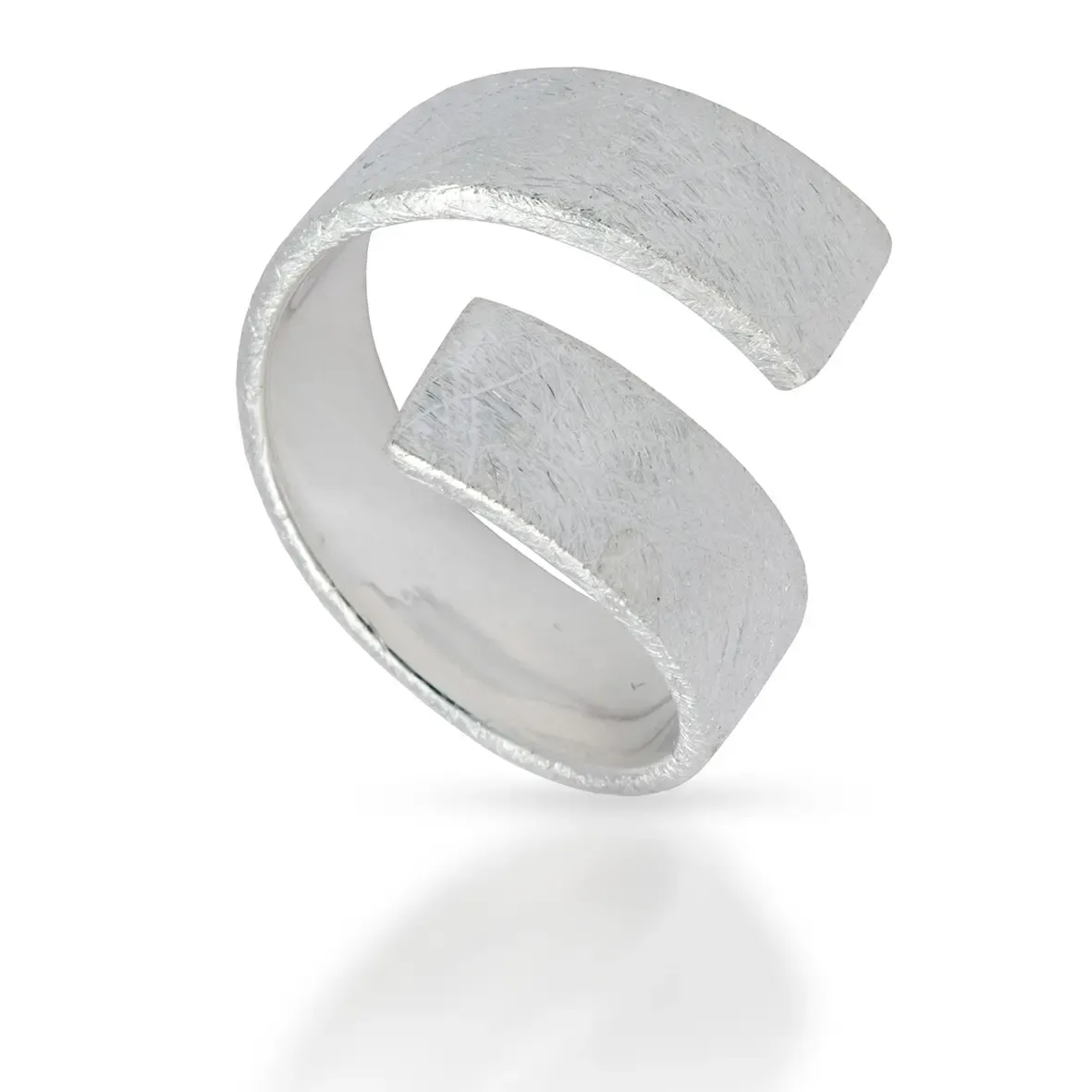
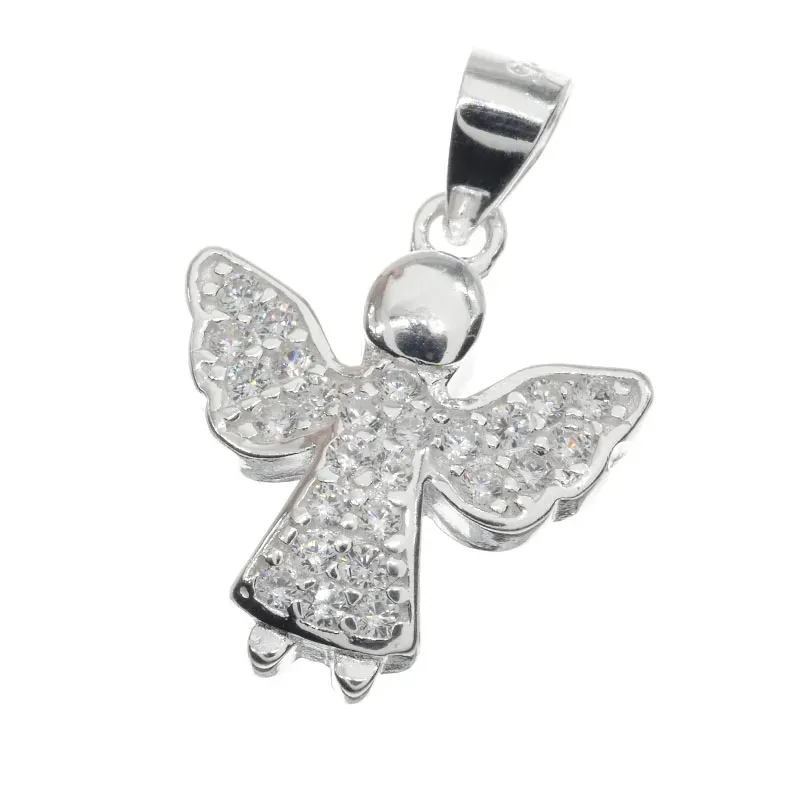
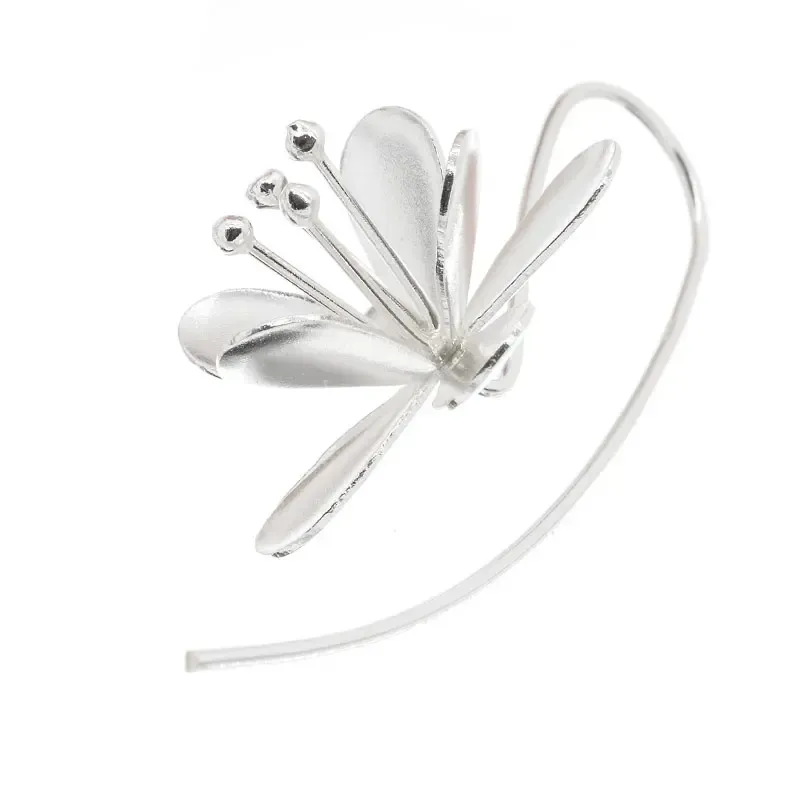
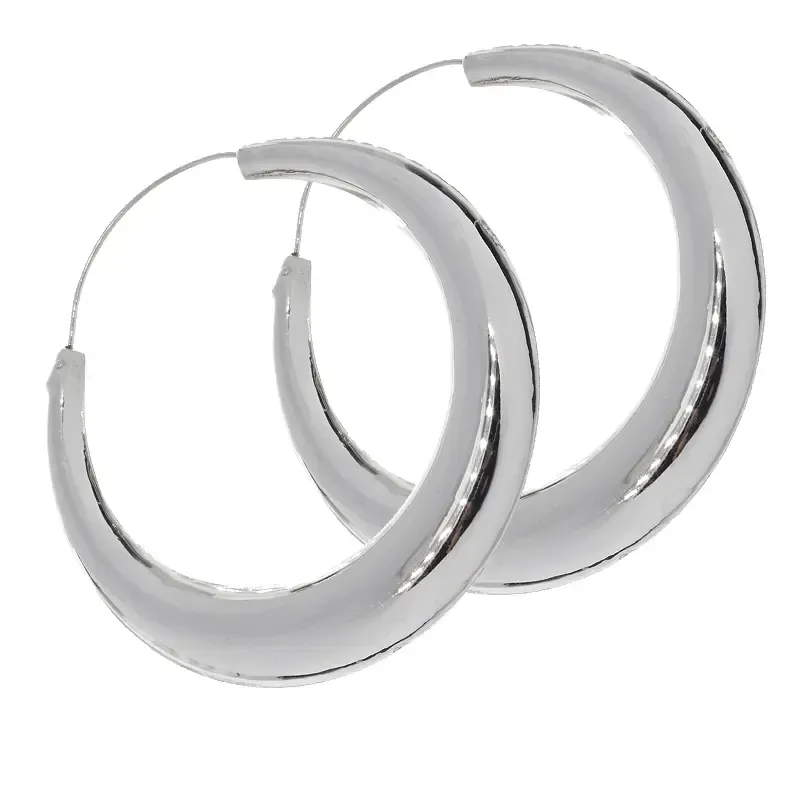
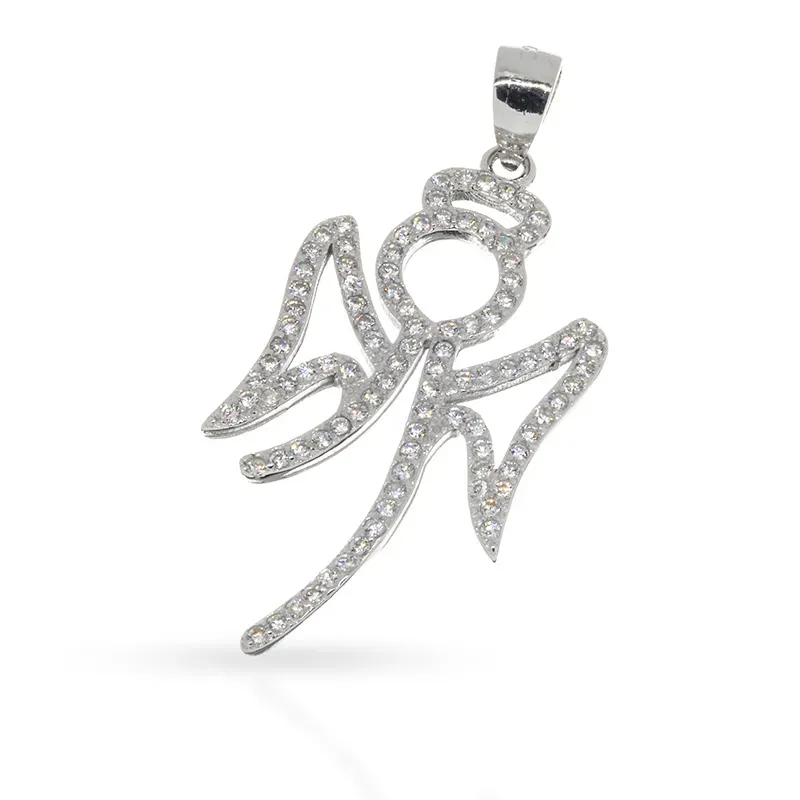
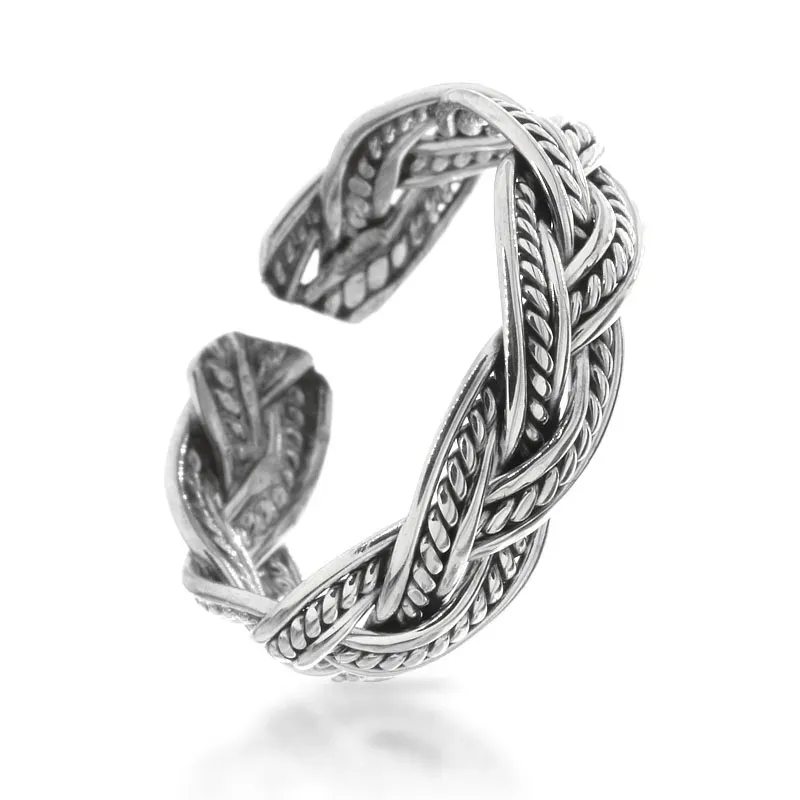
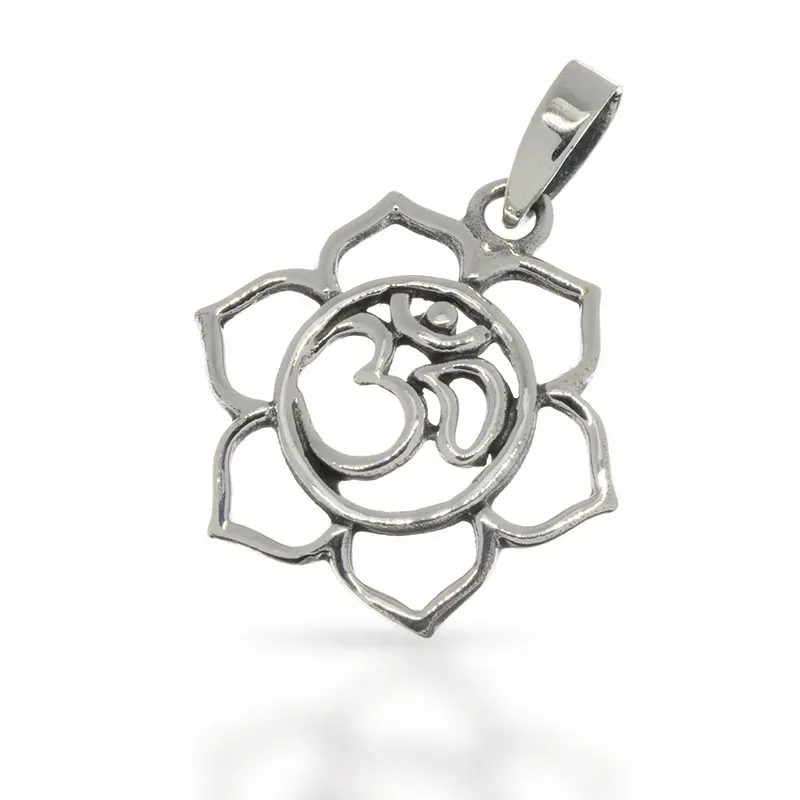
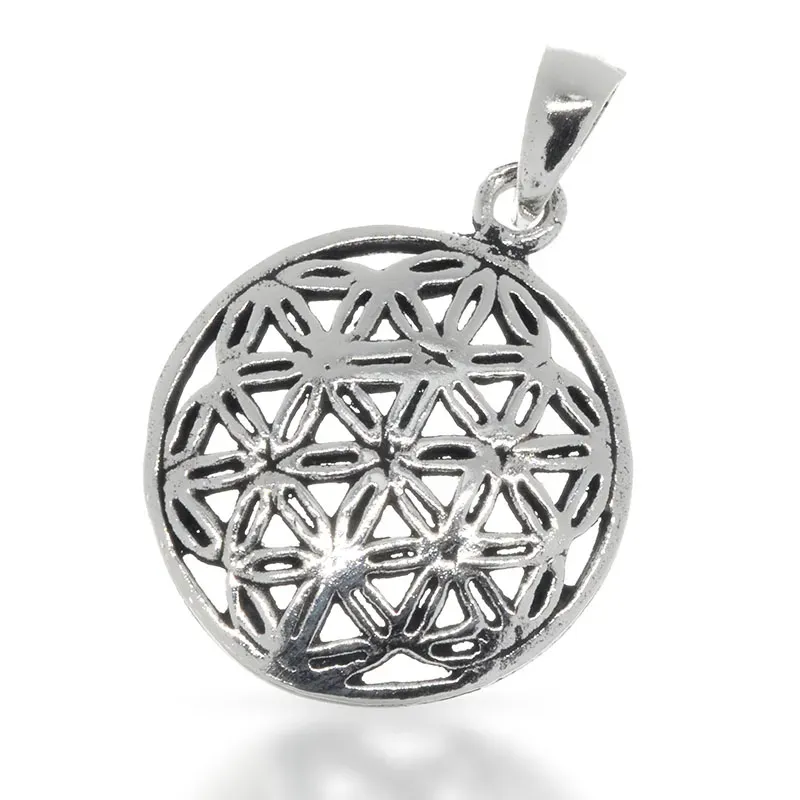
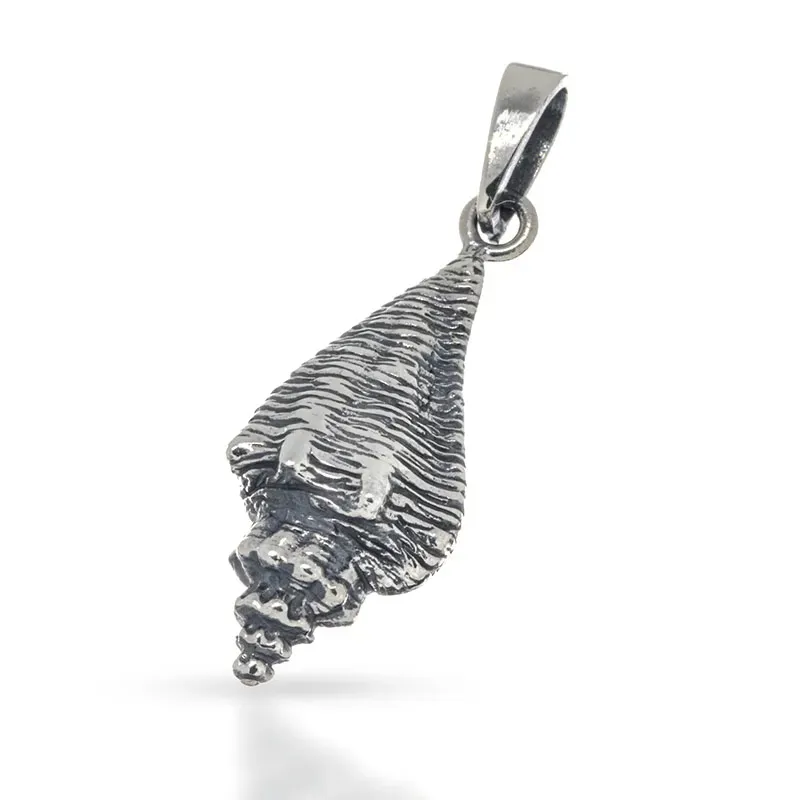
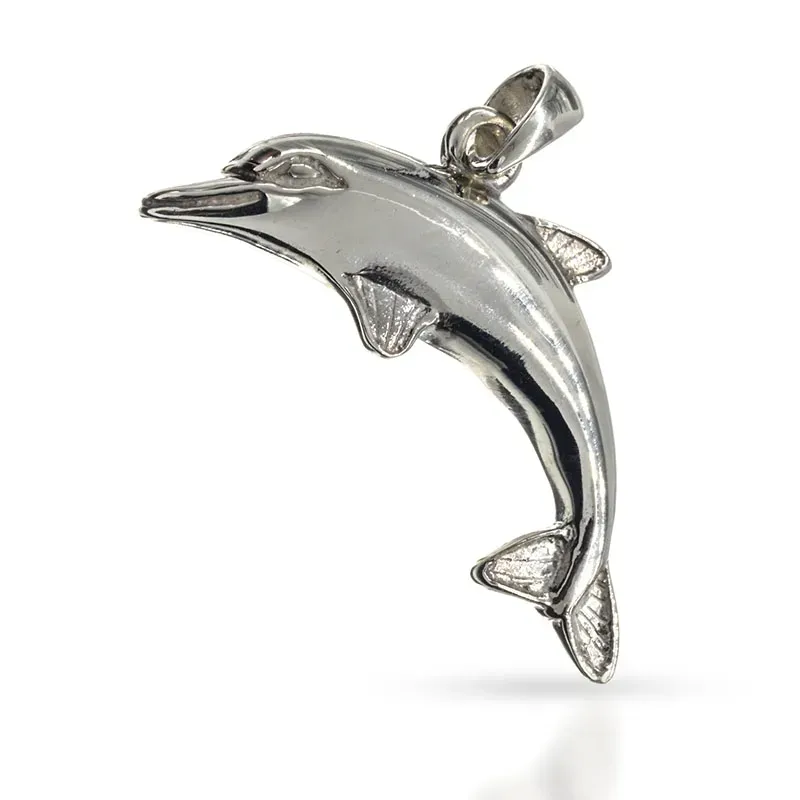
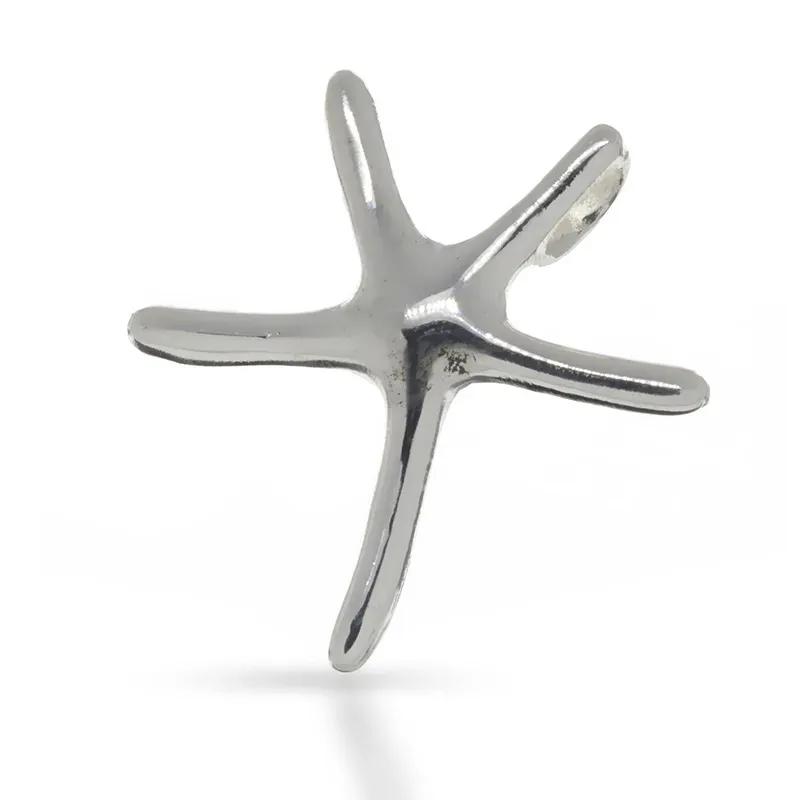
With bold rings and sculptural pendants, it is worth looking at several product photographs. They reveal details that a single front view can easily miss.
Discover silver jewellery at K Design
Whether you prefer clean lines or expressive ornaments, choose your next piece according to its design, proportions and construction. The material descriptions and measurements on our product pages help you narrow down your selection.
Explore our silver rings with distinctive designs.
Looking for a ring but unsure about the size? Our ring size guide can help you find your bearings.
Frequently asked questions about sterling silver
Is sterling silver the same as 925 silver?
Yes. Both terms describe a silver alloy containing 92.5% silver.
Is sterling silver better than silver-plated jewellery?
They have different material structures. Silver-plated jewellery has a layer of silver over another base material, while 925 sterling silver describes a silver alloy. The right choice for you also depends on construction, intended use and budget.
Can real silver turn black?
Yes. Genuine silver can tarnish. A dark surface alone is therefore not proof that jewellery is imitation silver or poor quality.
Is 925 sterling silver always uncoated?
No. Sterling silver can be rhodium-plated, gold-plated or intentionally darkened, for example. Check the complete product description.
How should you store sterling silver jewellery?
Store individual pieces so that they do not rub against one another. Specialist anti-tarnish bags or cloths can be useful for suitable silver jewellery. Pieces containing delicate stones or pearls may have additional storage requirements.
Top Silver Jewellery







x
Please sign in to write a comment.