Stainless Steel Jewellery
Character, Everyday Life & Care
Stainless Steel Jewellery
Character, Everyday Life & Care
Stainless Steel Jewellery: Properties, Care & FAQs
Stainless steel jewellery combines a clean look with a durable material. From rings and pendants to necklaces and bracelets, stainless steel can be polished to a shine, subtly brushed or finished with intricate details. Its versatility suits everything from understated pieces to bold designs.
But what does “stainless steel” actually mean? Can it rust, can you wear it in water, and does it contain nickel? Here, we explain the material and how to care for it.
What is stainless steel jewellery?
Stainless steel is a term for a range of steel grades. Jewellery often uses corrosion-resistant alloys containing chromium. A very thin protective film, known as the passive layer, forms on their surface and helps protect the metal against corrosion.
The exact composition varies between grades. The description “stainless steel” therefore does not tell you everything about a piece of jewellery. Its construction, surface finish, coatings and additional materials also matter.
The information for the individual item is what counts, rather than blanket promises about all stainless steel jewellery.
What are the properties of stainless steel jewellery?
Stainless steel suits many different jewellery designs. Polished surfaces reflect light brightly, while brushed or matt finishes create a more understated appearance. Darkened recesses and coloured coatings can further emphasise shapes and patterns.
For everyday wear, these characteristics are particularly useful:
-
Durability: Stainless steel is a robust jewellery material. Scratches and signs of wear are still possible.
-
Care: Plain, uncoated pieces are often straightforward to clean.
-
Versatility: The material works well with both clean lines and elaborate motifs.
-
Styling: Its usually cool metallic tone pairs well with different colours, materials and clothing styles.
How a piece stands up to daily wear also depends on its construction. A fine chain needs different treatment from a broad ring or a substantial pendant.
Can stainless steel jewellery rust?
Corrosion-resistant stainless steel withstands many everyday conditions well. It is not completely impervious, however. Depending on the alloy and environment, salt, chlorine-containing substances or aggressive cleaning products can attack its surface.
Particles from other metals can also leave rust marks on a stainless steel surface. A discoloured spot does not necessarily mean that the entire piece is corroding.
If you notice a change, first establish whether it is dirt, a deposit, a damaged coating or actual corrosion. Avoid vigorous scrubbing, which can damage delicate finishes and decorative details.
Can you wear stainless steel jewellery in water?
The description “stainless steel” is not a blanket assurance that a complete piece of jewellery is waterproof.Coatings, stones, glued components, leather and clasps also need to be considered.
Brief contact with clean water is generally less problematic for a plain, uncoated stainless steel piece than for jewellery combining several delicate materials. Even so, follow the care instructions for the individual item and dry it thoroughly afterwards.
It is best to remove jewellery before showering, swimming or using a sauna. This avoids unnecessary exposure to personal care products, chlorine, salt water and prolonged moisture.
How do you clean stainless steel jewellery?
The right cleaning method depends on the whole piece. First check whether it has a coating or contains any delicate components.
Plain, uncoated jewellery
A soft, clean cloth is often enough for regular care. It can gently remove fingerprints and light surface residue.
If the care instructions permit washing, use lukewarm water with a little mild washing-up liquid. Rinse away any residue with clean water and dry the piece thoroughly using a soft cloth.
Avoid steel wool, abrasive cleaners and aggressive household cleaning products. They can scratch or attack the surface.
Coatings, stones and mixed materials
Gold-coloured, black and other coated pieces need particular attention to their finish. Even a durable coating can gradually become damaged through friction or unsuitable cleaning.
Jewellery containing pearls, stones, glued elements, leather or other materials should be cleaned according to its specific care instructions. Soaking and ultrasonic cleaning are not suitable for every piece.
Is stainless steel jewellery nickel-free?
Not automatically. Some stainless steel alloys contain nickel. The description “stainless steel” alone is therefore not evidence that a piece is nickel-free.
Skin compatibility depends, among other things, on how much nickel an item releases. Nickel content and nickel release are different things.
If you have a known nickel allergy, look for specific information about the individual piece. Terms such as “surgical steel” or “skin-friendly” do not replace clear material information or guarantee individual tolerance.
What does 316L mean in jewellery?
316L identifies a particular grade of stainless steel. The “L” indicates a low carbon content. This grade is used for jewellery, among other applications, but it is not synonymous with stainless steel jewellery as a whole.
Not every stainless steel piece is made from 316L. The grade should be explicitly stated in the product description. It also does not mean that the material is nickel-free or protected against corrosion under all conditions.
Does stainless steel jewellery change colour?
Uncoated, corrosion-resistant stainless steel does not normally tarnish in the same way as silver during everyday wear. However, skin oils, cosmetics and other deposits can make its surface appear duller or darker.
With coloured stainless steel jewellery, it is important to distinguish between the underlying metal and the applied coating. Friction and wear can change the coating even when the steel beneath remains intact.
Before treating discolouration with strong cleaning products, establish which type of surface you are dealing with.
What should you look for when buying stainless steel jewellery?
Alongside the design, a few practical details can help you choose:
-
Material and finish: Is a particular alloy specified? Is the piece uncoated, coated, polished or matt?
-
Dimensions and weight: How large is the pendant, how wide is the ring and how long is the chain?
-
Construction: Are the clasp, edges and shape suitable for how you intend to wear it?
-
Additional materials: Does the piece contain stones, leather, pearls or other elements?
-
Care instructions: Are there particular requirements for cleaning or contact with water?
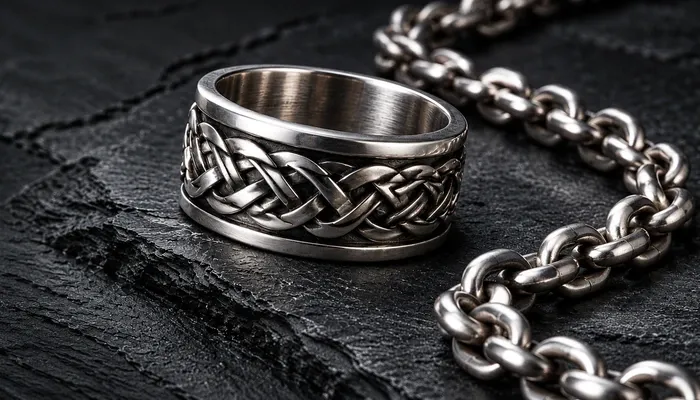
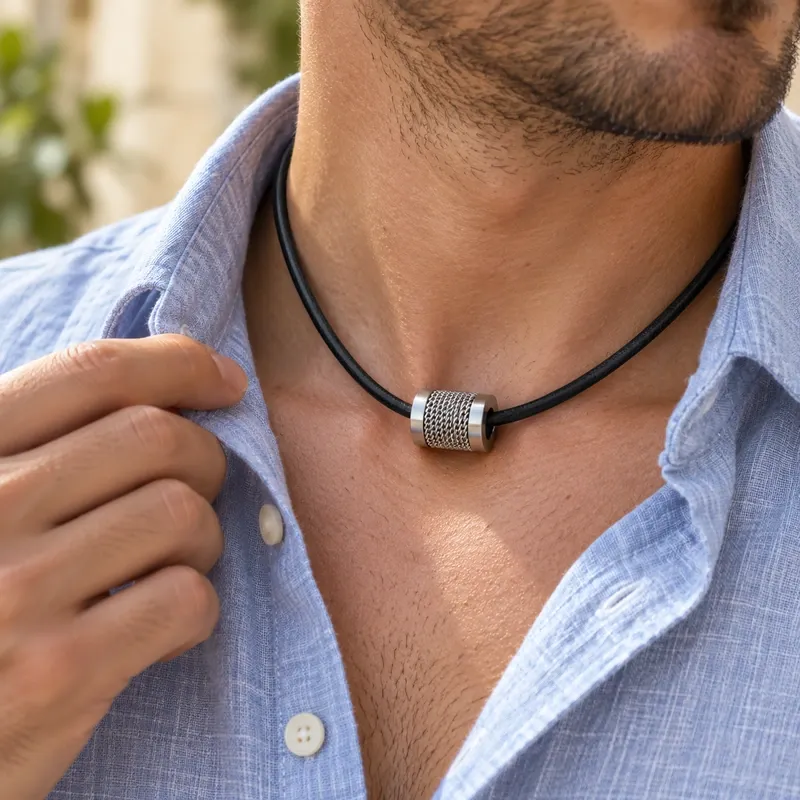
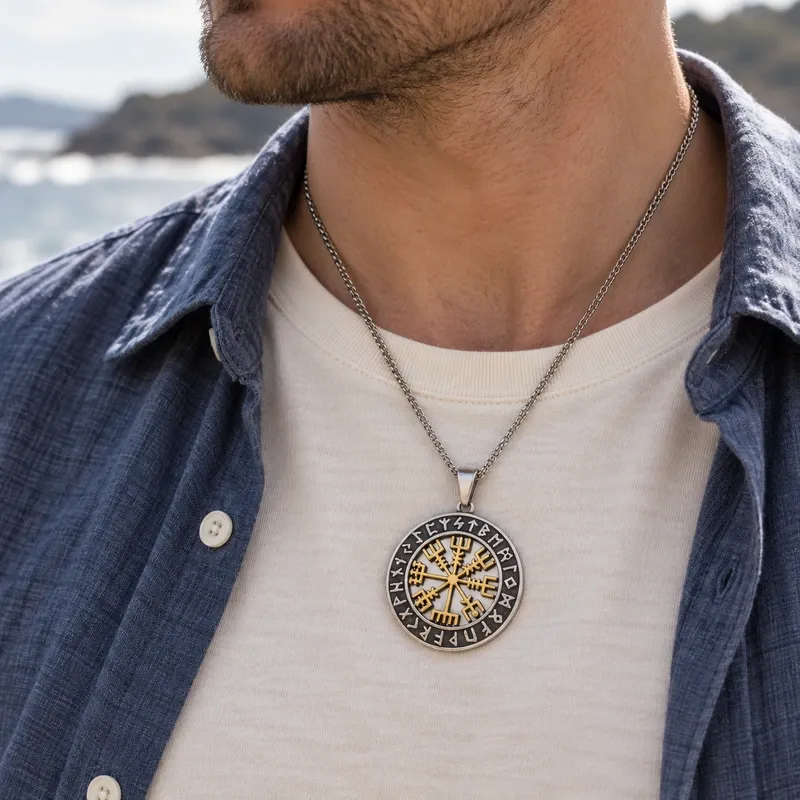
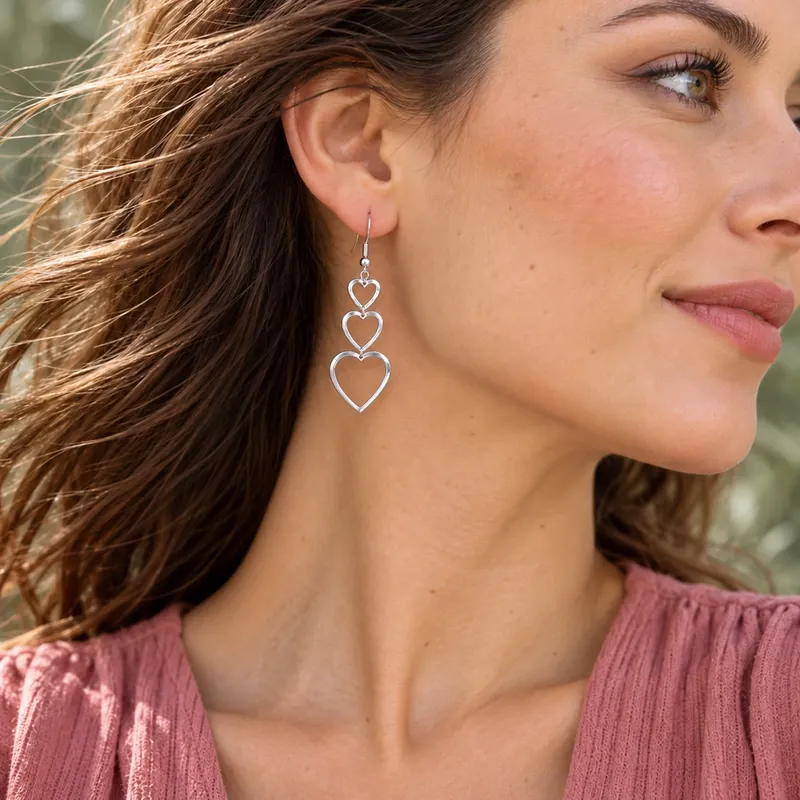
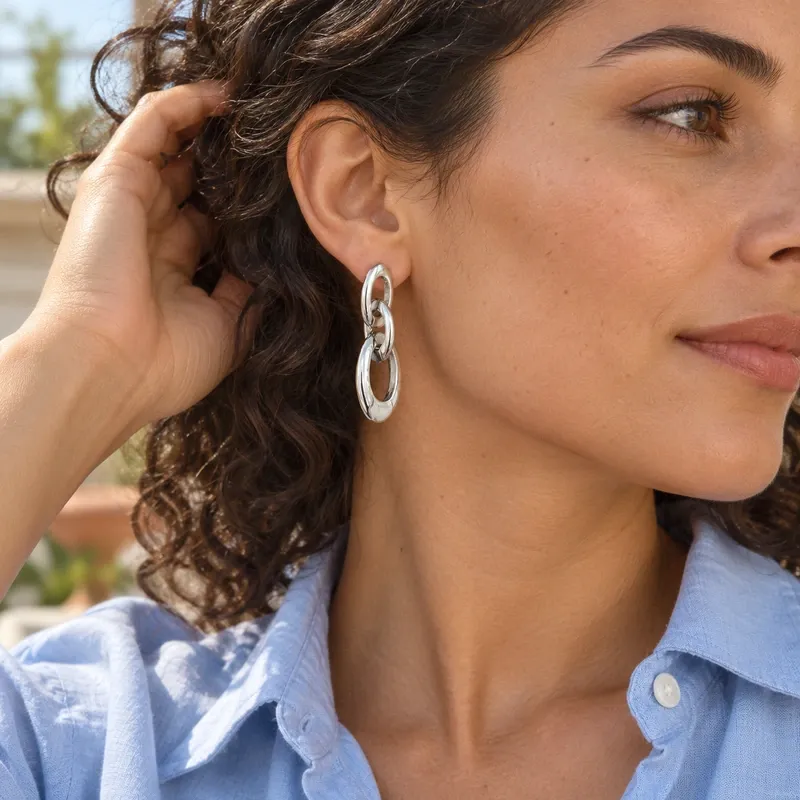
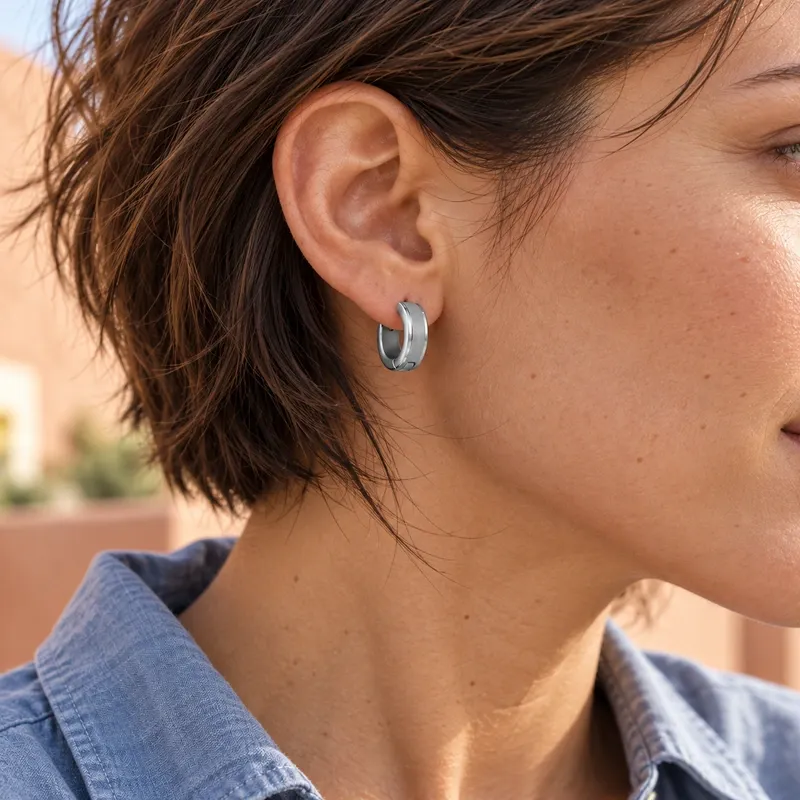
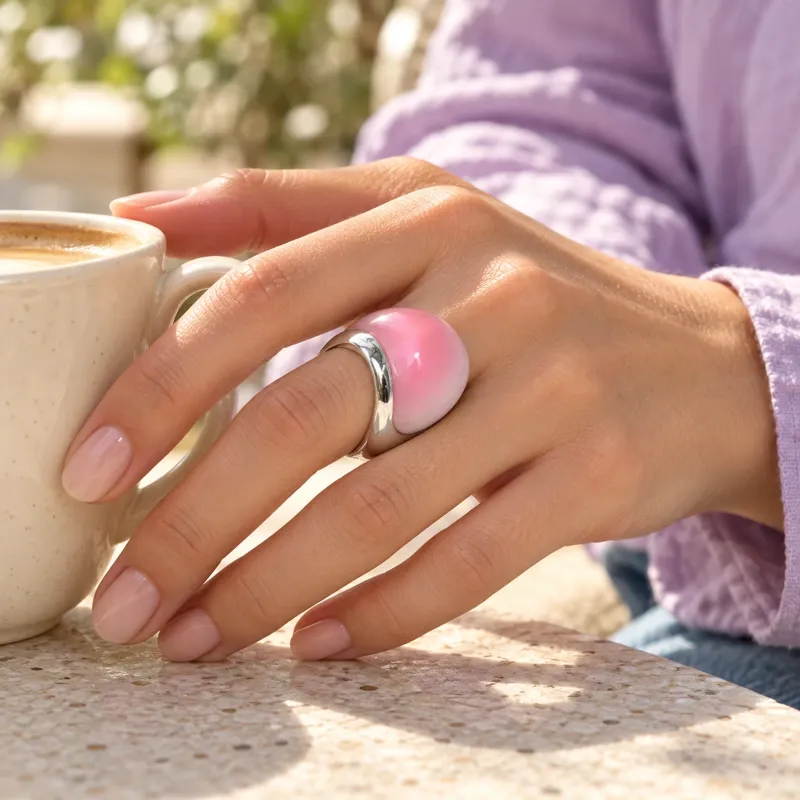
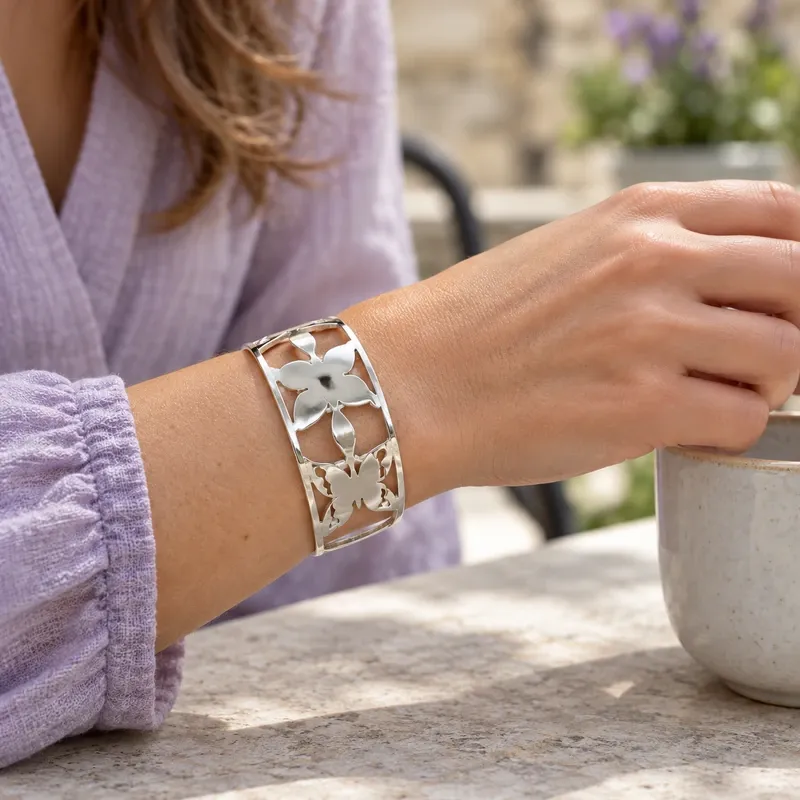
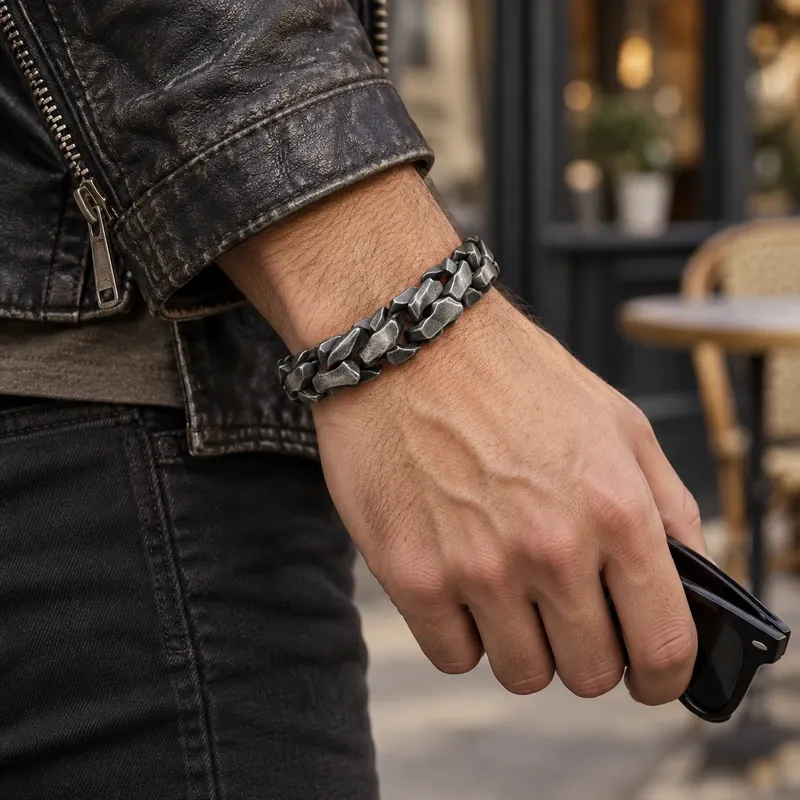
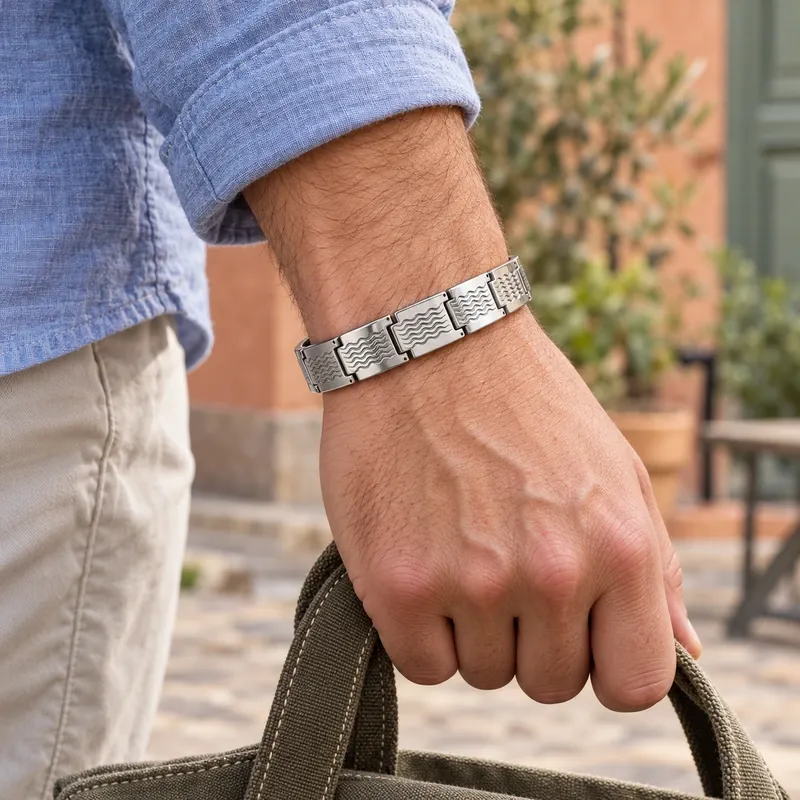
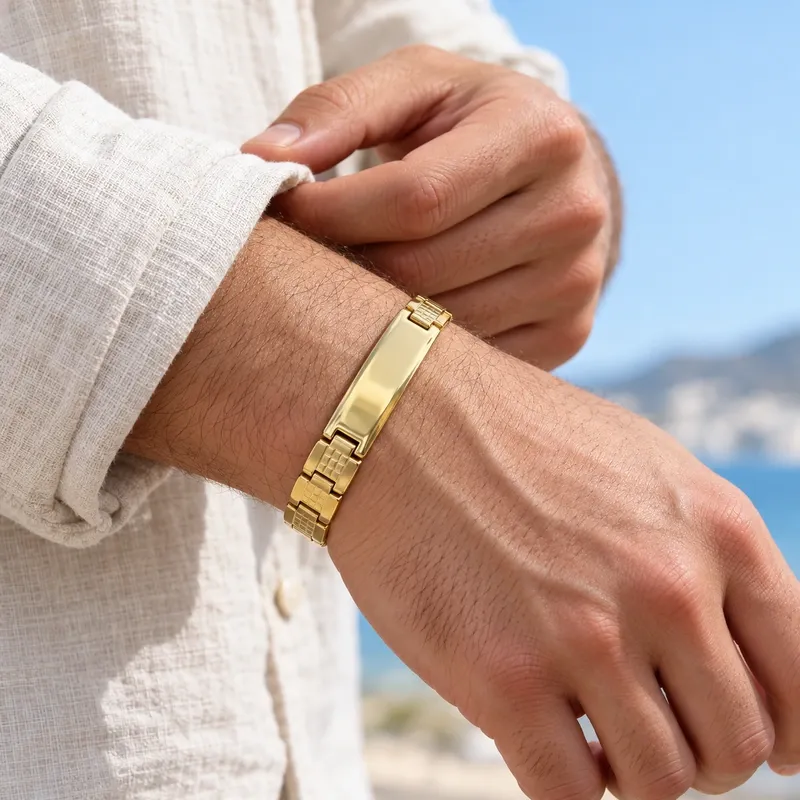
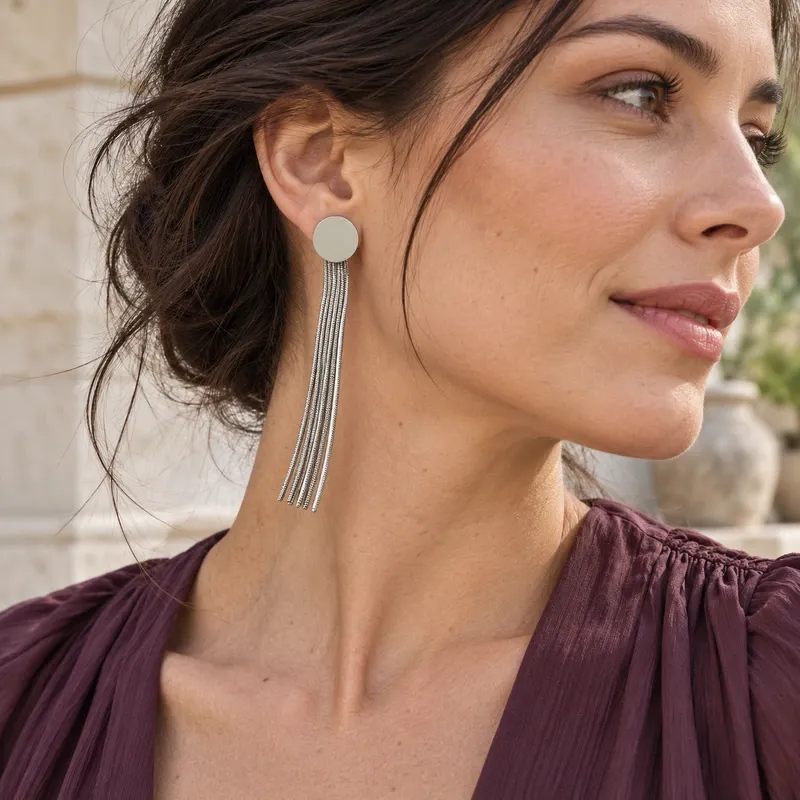
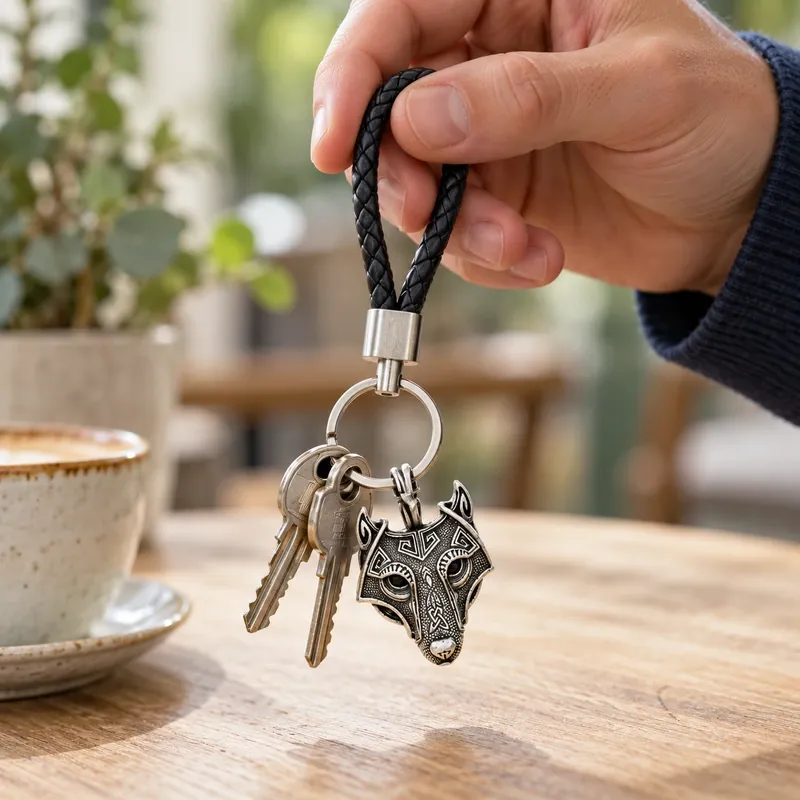
With broad rings and sculptural pendants, it is worth looking at several product photographs. They show proportions and details that can easily be missed in a single image.
Discover stainless steel jewellery at K Design
Understated or expressive, polished or matt: choose stainless steel jewellery according to your style and how you want to wear it. Our product descriptions provide information about materials, dimensions and the distinctive features of each design.
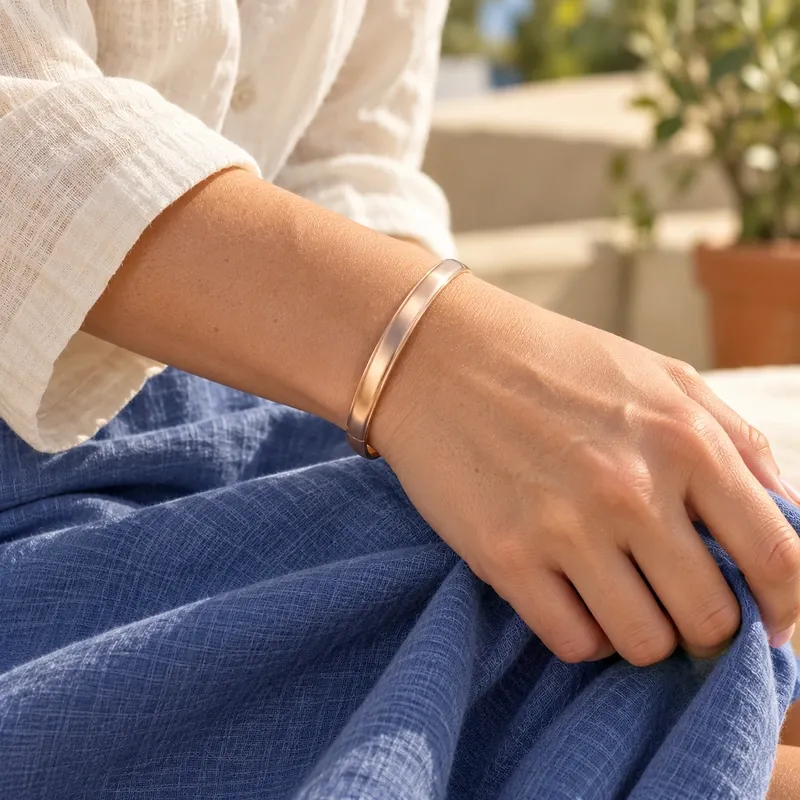
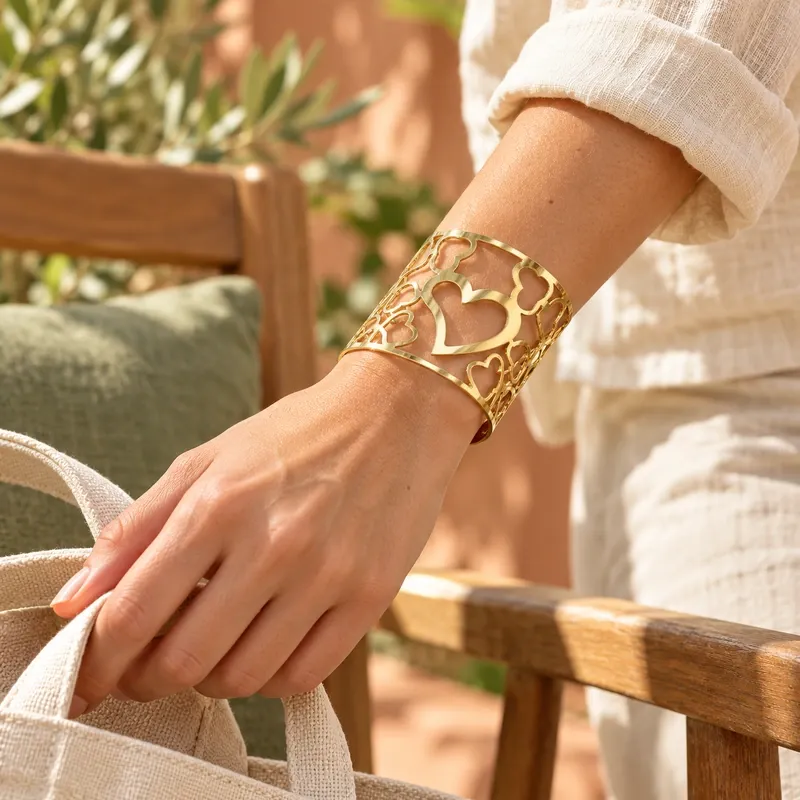
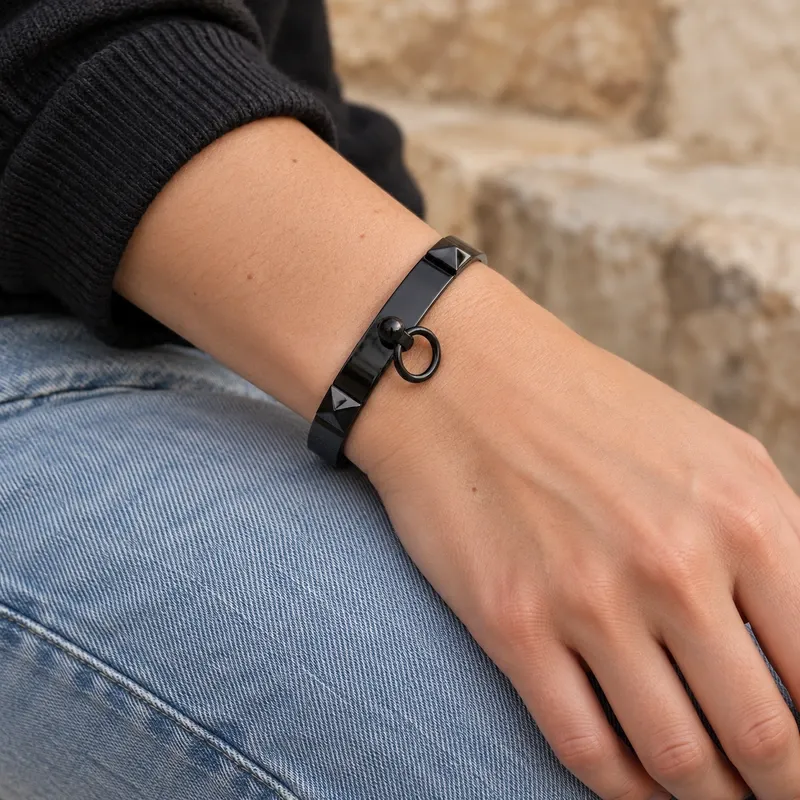
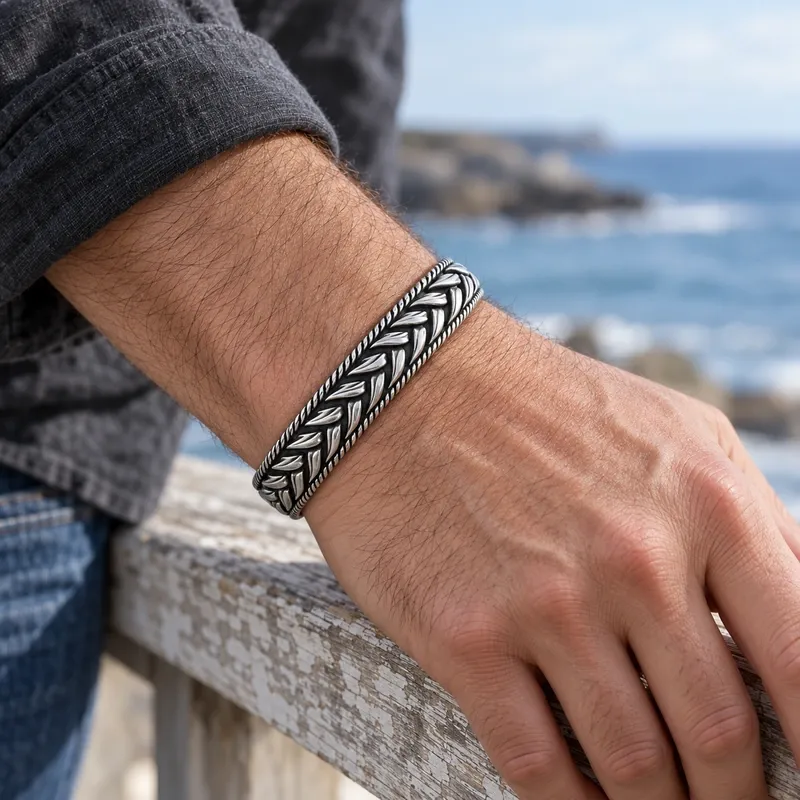
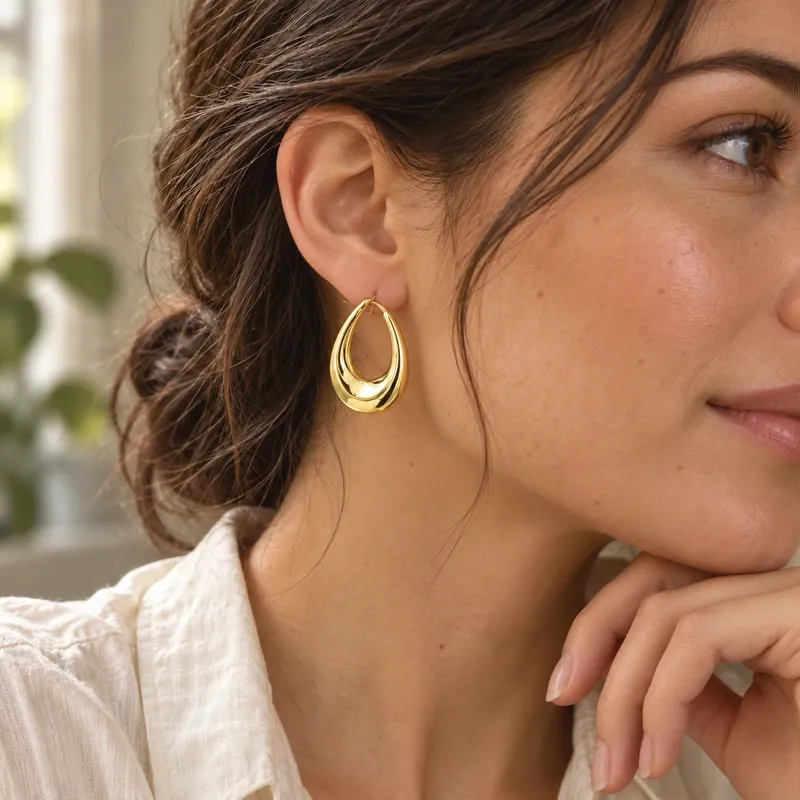
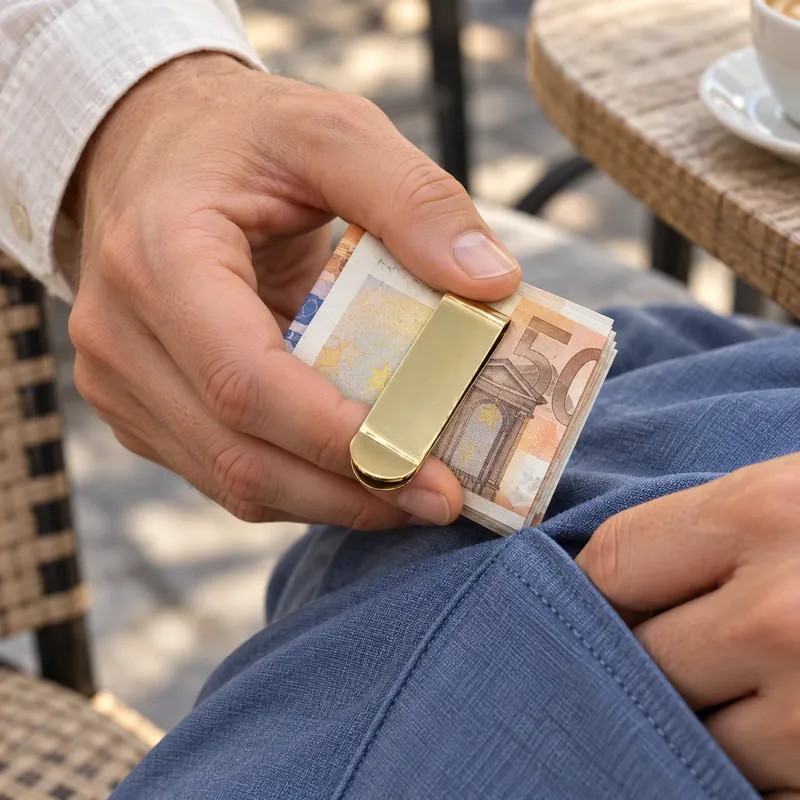
On larger screens, the gallery shows a selection of pieces. In the enlarged view, “View product” takes you directly to the corresponding product page.
Looking for a ring but unsure about the size? Our ring size guide can help you find your bearings.
Frequently asked questions about stainless steel jewellery
Is stainless steel jewellery scratchproof?
It is not completely scratchproof. Stainless steel is durable, but friction and contact with hard objects can leave signs of wear. Fine scratches are often more noticeable on polished surfaces.
Can you wear stainless steel jewellery every day?
Many pieces are well suited to everyday wear. Their construction, surface finish and additional materials also matter. It is best to remove jewellery before sport, manual work and handling cleaning products.
Is gold-coloured stainless steel jewellery made from gold?
Colour alone does not establish this. Gold-coloured stainless steel can have different types of coating. Check the individual product description to find out whether it is gold-plated and how the surface is finished.
Is stainless steel the same as silver?
No. Stainless steel and silver are different materials. 925 sterling silver is an alloy containing 92.5% silver. Stainless steel is a steel alloy, and its silvery appearance does not mean that it contains silver.
How should you store stainless steel jewellery?
Store pieces clean and dry, preferably separately or in soft compartments. This prevents necklaces, rings and pendants from rubbing against one another. Coated surfaces particularly benefit from this protection.
Top Stainless Steel Jewellery














x
Please sign in to write a comment.